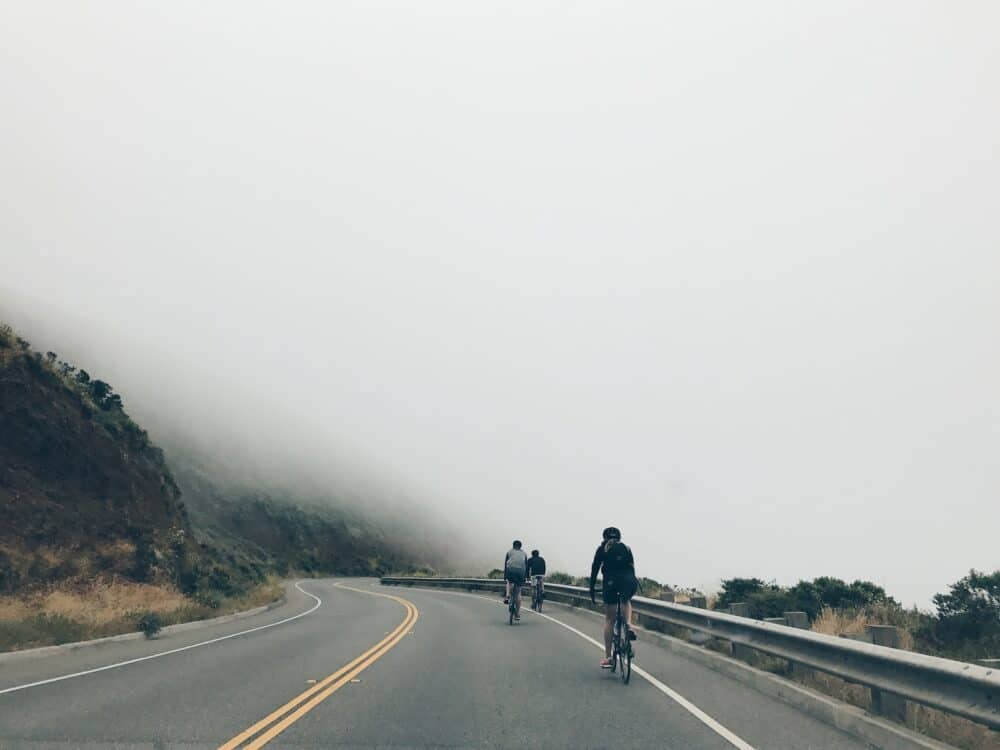
To understand if you can use a mountain bike on a road, this section delves into the benefits and drawbacks of doing so. The benefits of using a mountain bike on a road as well as the drawbacks are discussed briefly in the sub-sections.
Benefits of using a mountain bike on a road
Using a mountain bike for road riding has its benefits. Here’s why it can be advantageous:
- A mountain bike is highly versatile and is suitable for all types of terrains.
- A mountain bike provides better control and stability, particularly when navigating around obstacles.
- The wider tires that come with a mountain bike provide additional cushioning and better grip on uneven roads.
- Mountain bikes are designed to be hard-wearing, making them more durable than other bikes.
Did you know that using a mountain bike on the road can also improve your fitness levels? According to a study by the University of Brighton, using a mountain bike regularly can significantly improve cardiovascular fitness. So next time you head out on your mountain bike, don’t shy away from hitting the tarmac!
Using a mountain bike on a road is like wearing hiking boots to a dance party – sure, you can do it, but you’re going to look and feel a little out of place.
Drawbacks of using a mountain bike on a road
Using a mountain bike on a road comes with various setbacks that can be avoided by using a road bike. The rugged and bulky design of a mountain bike is not suitable for smooth roads, making it quite inconvenient for commuting purposes.
- Uncomfortable seating position
- Heavy weight and low speed
- Inefficient tires for pavements
- No aerodynamics to tackle the wind resistance
- No suspension lockout to prevent energy loss
While mountain bikes are excellent for off-road adventures, they lack the smoothness needed for urban road cycling. Moreover, their simple handling and stability on rough terrains fail in providing a similar feel on the pavement, leading to muscle fatigue and unenjoyable rides.
Pro Tip: If you plan to ride frequently on roads, invest in a good road bike as it provides greater comfort and efficiency for daily commuting.
Using a mountain bike on the road is like trying to wear hiking boots to a black-tie event – you can do it, but don’t expect to look good or fit in.
Dos and Don’ts of using a mountain bike on a road
To ensure a safe and comfortable ride, knowing the essential dos and don’ts of using a mountain bike on a road with this article is the solution. In the following sections, we will discuss the dos and don’ts.
Dos:
Here are some important guidelines for using mountain bikes on roads without causing harm:
- Always ensure your mountain bike is road-ready.
- Only cycle in designated areas and follow road rules.
- Keep both hands on the handlebars while cycling, avoiding stunts.
- Wear helmets and appropriate protective gear at all times.
- Be visible at night or when visibility is poor with reflective clothing and accessories.
- Stay alert and avoid distractions like music or mobile devices while cycling.
Next, let us discuss some useful suggestions to remember when cycling your mountain bike on roads. In addition to the above guidelines, it’s essential to know how to maintain your bike properly. Regular maintenance is crucial to minimize accidents and increase efficiency, ensuring a smooth ride.
Finally, take precautionary measures such as checking tire pressure before every ride. Adjust the seat height according to your comfort levels, as it will affect the experience of handling the bike. Remember that slight modifications can significantly impact your biking performance while keeping you safe from harm.
Adjusting your mountain bike for on-road riding is like putting lipstick on a pig, but hey, at least the pig will be ready for the prom.
Adjusting the bike for on-road riding
Adjusting your mountain bike for safe on-road riding requires some key modifications. Here’s how to optimize your bike:
- Adjust the saddle height: Raise the saddle to achieve proper leg extension when pedaling.
- Check tire pressure: Ensure tires are inflated according to road conditions and the recommended PSI range.
- Swap out knobby tires: Replace mountain-bike-specific tires with smoother, skinnier road tires for lower resistance and better speed.
- Change handlebars: Install drop bars or other on-road handlebars for a more aerodynamic and comfortable position.
- Adjust brakes: Make sure brakes are well adjusted and responsive, as you’ll be traveling at higher speeds.
- Reduce weight: Strip off any unnecessary accessories that add weight and resistance.
To prioritize safety while adjusting your mountain bike for on-road use, it is important to maintain regular maintenance of your bike, such as checking brake pads, lubrication, etc.
Lastly, biking is not only good for transportation but also offers health benefits too! Biking reduces risk of many diseases offering fitness benefits [source name]. If you’re not wearing proper gear while mountain biking on the road, you’ll have more scrapes than Taylor Swift’s breakup playlist.
Wearing appropriate gear
Wearing suitable attire and gear while mountain biking can greatly enhance your safety and overall experience. Here are some tips:
- Protect your head by wearing a helmet that fits well and meets safety standards.
- Wear gloves to improve your grip on handlebars and prevent blisters.
- Avoid loose clothing that could get caught in the bike’s moving parts, instead opt for tight-fitting attire.
- Wear sturdy shoes with adequate traction to avoid slipping.
It is essential to keep in mind that wearing appropriate gear is not just a matter of comfort but of one’s physical well-being. Stay safe, stay comfortable.
Pro Tip: Always carry a first aid kit while riding on rough terrain or long distances.
If you don’t follow traffic rules while mountain biking on the road, it’s not rebellion, it’s just stupidity.
Following traffic rules and regulations
It is crucial to follow traffic rules and regulations when using a mountain bike on the road. The safety of oneself and others should always be considered.
- Signal your turns to other motorists
- Ride in the same direction as traffic
- Obey stop signs and red lights
- Do not ride on sidewalks or pedestrian areas
Always ensure you are visible by wearing reflective clothing, especially during low-light hours.
Did you know that some cities have specific laws regarding the use of bicycles on public roads? For instance, in San Francisco, bicyclists are required to use hand signals when turning, and their bikes must be equipped with reflectors.
Overall, following traffic rules and regulations ensures everyone’s safety when using a mountain bike on the road. Don’t treat your mountain bike like a road warrior, unless you want to end up in a hospital ward.
Don’ts:
When using a mountain bike on a road, it is important to understand what not to do to ensure maximum safety and enjoyment. One should avoid riding in the middle of the road, weaving in and out of traffic, and performing stunts or tricks on public roads. It is also crucial to avoid ignoring traffic signals and failing to wear proper safety gear.
In addition, it is important to avoid neglecting maintenance of your mountain bike when using it on the road. Proper tire pressure and functional brakes are essential for a safe ride. Neglecting these aspects can result in accidents and injuries.
A common mistake made by novice riders is building up too much speed on descents. This can lead to loss of control, particularly when approaching sharp turns or steep climbs.
Research conducted by the National Safety Council shows that wearing helmets while cycling can reduce the risk of head injuries by up to 85%. Therefore, always wearing proper safety gear such as helmets while cycling is crucial no matter what type of bicycle you use.
You know it’s time to change your tires when they have less grip than a politician during election season.
Using worn-out tires
Using excessively used rubber tires can put you at risk. Here are some tips to avoid the trouble and stay safe:
- Always keep a check on your tire’s wear and tear.
- Make sure there are no cracks or cuts on the tire.
- Do not ride with worn-out tires, as it may lead to punctures or blowouts causing accidents.
- Worn-out tires tend to lose traction on uneven roads, which can cause skidding.
- Replace them immediately if you observe these signs as they help maintain balance and a smooth ride.
It is vital to have good-quality rubber tires regardless of the type of bicycle you use.
To prevent any mishaps, keep appropriate habits such as checking tire pressure regularly, using high quality and fresh tires, and opting for tires recommended by experts.
I recently heard about an incident where a rider met with an accident caused due to worn-out tires. This emphasizes the need for paying attention while riding bikes irrespective of terrains. So, always remember that prevention is better than cure.
Don’t think of your mountain bike as a superhero who can leap tall buildings in a single bound, because it can’t even handle a pothole on the road.
Ignoring the bike’s limitations
Using a mountain bike on a road comes with limitations that riders must be mindful of to ensure their safety. Neglecting these restrictions can lead to accidents and injuries. Therefore, it is essential to understand the capacity of your bike and use it accordingly.
Riders should not push their bikes beyond the manufacturer’s recommendations for weight, speed, or terrain. Exceeding these limits can put immense stress on the bike and result in damage or malfunction. Riders should also avoid using their mountain bikes as road racing bikes since they are not designed for high-speeds or aggressive riding styles.
It is crucial to consider the tire type when riding on roads. Knobbly tires create more traction for off-road terrains but are unsuitable for smoother roads. Therefore, riders must switch their tires based on the road surface and weather conditions.
While cycling on roads with a mountain bike, one must aim to ride at an optimal speed that aligns with traffic flow and visibility range while adhering to relevant traffic laws. It is best to ride defensively by keeping eyes open for potential dangers such as potholes, debris or hazards on the road.
To ensure safety while riding a mountain bike on roads, riders should use appropriate gear such as helmets, gloves and knee pads that protect against falls or collisions. Additionally, bicyclists may also invest in reflective vests or materials that increase visibility in low light conditions.
If the road feels like a rollercoaster, it might be time to tighten those handlebars and hold on for dear life.
Riding on sketchy roads
When riding a mountain bike on the road, navigating sketchy roads can be challenging. It’s essential to stay focused and maintain control over your bike. To ensure safety, always keep a steady speed and avoid sudden movements that could cause your tires to slip.
In addition, look out for debris, potholes and other obstacles that may appear out of nowhere. Remember to use hand signals while turning or changing lanes to alert motorists of your intentions.
Moreover, it’s important to ensure that your brakes are functioning optimally as this will give you control over your bike when coming downhill or when stopping suddenly. Regular maintenance checks are key for optimal performance.
Finally, one time I was riding my mountain bike in the city when I encountered an unexpected dip in the road. My tire slipped and I fell off my bike but luckily was wearing protective gear which saved me from injuries. So always remember to wear proper gear while riding on rough terrain.
Why invest in a new bike when you can just buy road tires and pretend you’re Lance Armstrong on a budget?
Is it worth investing in a new bike for on-road riding?
To get the most out of on-road riding, you may be contemplating if investing in a new bike is worth it. If you’re not sure where to start, we’ve got you covered with factors to consider before making a decision. Plus, we’ll explore alternatives to buying a new bike for on-road riding.
Factors to consider before investing in a new bike
Before purchasing a new bike for on-road riding, there are various factors to consider. It is important to prioritize your requirements as per the purpose of buying the bike.
- The Type of Bike: Consider the type of bike that best suits your requirements, such as road bikes, hybrid bikes or mountain bikes. Ensure that the bike’s features match your riding style.
- Frame Material: The frame material determines the sturdiness and weight of the bike. An aluminium frame is light and apt for commuting purposes while Carbon fibre frames offer better shock absorption.
- Budget: Always keep in mind your budget while investing in a new bike. Determine how much you’re willing to spend while keeping in mind additional costs like gear and accessories.
- Sizing and Fit: Make sure that your bike fits you perfectly. Try sitting on different models and ensure that the saddle height, handlebar placements and reach are comfortable for you while riding.
Additionally, it is important to determine if you’ll need any accessories like helmets, locks or lights before investing in any new bike.
If you’re investing in a new bike for on-road riding, it helps to understand why different types of bikes exist. Bikes have undergone rapid development over time due to technological advancements resulting from industry competition. In fact, during WW2 when troops used bikes to navigate difficult terrains, manufacturers began crafting customised components to make rides easier and more comfortable.
Save money and skip the gym membership by pushing your old bike up hills instead.
Alternatives to investing in a new bike for on-road riding
If you’re not ready to invest in a new bike for on-road riding, there are other options available to enhance your experience. Here are three alternatives to consider:
- Upgrading your current bike with better-quality components such as tires, brakes and gears can make it more efficient on roads.
- Joining a cycling club or community can provide access to group rides with seasoned riders who can share their knowledge and skills that can help improve your performance.
- Investing in quality cycle clothing that is comfortable and functional which provides better aerodynamics and visibility during long rides.
Remember, having the right gear is essential for maximum enjoyment while cycling. It may take time to transition into a brand-new bike, so explore these alternative ideas before making any final decisions.
It’s always worth taking the time to research other like-minded individuals who have successfully accomplished their goals with different types of bikes. One example is Jane who didn’t want to splurge on a new expensive road bike that she thought was necessary for on-road riding. Instead, she decided to upgrade her hybrid bike and join a local club where she learned about efficient pedaling techniques. She soon realized that she was able to cycle comfortably during an 80km ride using her modified hybrid bicycle.
Using a mountain bike on a road is like wearing hiking boots to a dance party – it might work, but you’ll look pretty out of place.
Conclusion: Should you use a mountain bike on a road?
Using a mountain bike on the road might be practical, but is it suitable? Mountain bikes provide excellent traction and stability off-road, but their design can make riding on pavements uncomfortable. It’s better to use a road bike or hybrid bike that has thinner tires and a lighter frame if you plan to ride for long distances on the road.
Additionally, the suspension system of mountain bikes makes it harder to climb hills since it absorbs much of your pedaling energy. But if you’re only cycling at short distances or commuting within urban environments, using a mountain bike should be fine.
However, there are still some things to consider before hitting the road with your mountain bike. Remember to always wear appropriate gear, install proper reflective lights and signals, follow traffic laws and regulations, and stay alert at all times.
Overall, using a mountain bike on the road can be practical in some situations such as short rides; however, considering other options might be better suited for lengthy journeys. Always prioritize safety first when cycling on any terrain.