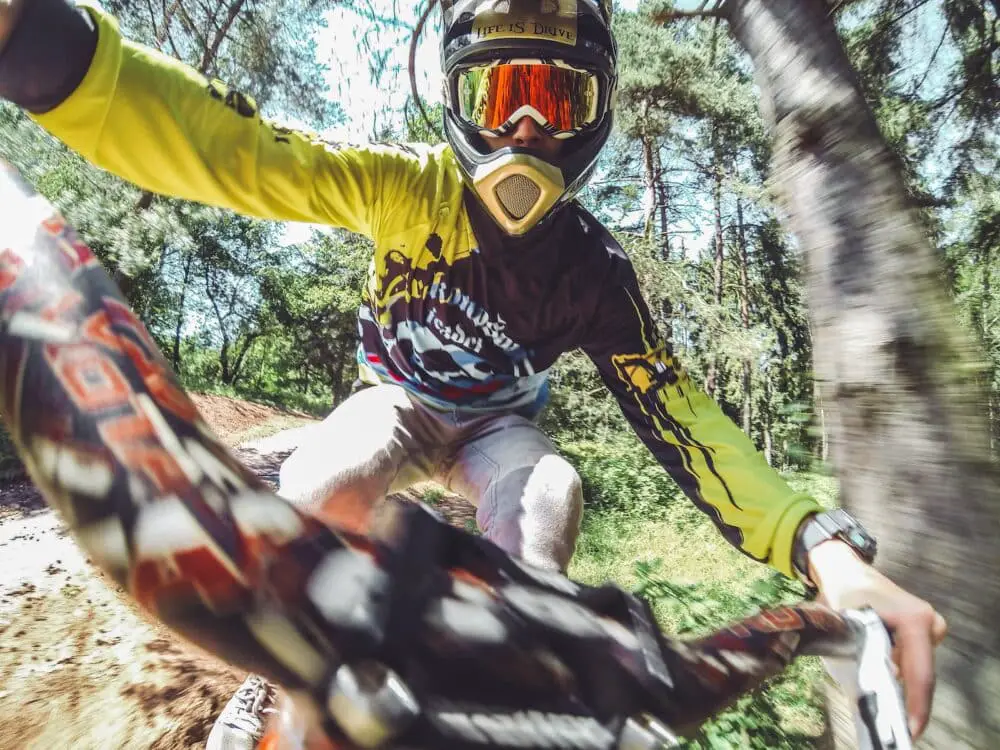
To gear up for a successful mountain biking experience, you can’t overlook the importance of proper attire. That’s why, in order to make the best of your ride with the right [title], you must check out the following [sub-sections].
Helmet
It is vital to wear protective headgear while mountain biking to prevent any serious brain injury. Here are some crucial points to consider while choosing a helmet:
- The helmet should be designed specifically for mountain biking, not a regular bike helmet.
- Ensure the helmet fits correctly and does not move side-to-side or front-to-back excessively.
- The helmet should cover the forehead and temples without obstructing your vision.
- Look for helmets that have MIPs technology (Multi-directional Impact Protection System) for added protection from rotational forces during a crash.
Regarding helmets, it’s important to note that recent studies have found that wearing a full-face helmet reduces the risk of head injuries in severe crashes compared to half-shell helmets. It’s always better to err on the side of caution when it comes to protecting your head.
Some additional suggestions would be to choose a brightly colored or reflective helmet for increased visibility on trails. Additionally, consider purchasing a new helmet if you’ve been in an accident before since older helmets may have weakened impacts from previous falls. Lastly, storing your helmet in a dry and cool place prevents condensation buildup and keeps your gear fresh-smelling and clean before hitting the trails again.
If you want to keep your hands from becoming ‘glovely’ bruised messes, invest in a good pair of mountain biking gloves.
Gloves
– Gloves made of breathable materials like mesh and spandex keep hands dry.
– Gel padding at pressure points ensures comfortable riding experience.
– Full-finger gloves provide extra protection against abrasion and cuts.
– Gloves with touch screen compatibility assist in using technology on the go.
In addition to the above points, wearing gloves helps avoid blisters and calluses caused by constant gripping and rubbing of handlebars. It also helps increase grip strength resulting in better bike control.
Pro Tip: Choose gloves with adjustable hook-and-loop closures for a secure fit to prevent slipping during rides.
Your bum may be sore, but at least you’ll look cool in these padded shorts.
Padded Shorts
Padded Mountain Bike Shorts
Protective padding is crucial while mountain biking to prevent injuries from falls, which is why padded shorts are a must-have essential.
- Padded shorts are designed with extra cushioning in the pelvic area to absorb high-impact forces during rides.
- They also provide comfort for long and bumpy rides, reducing pressure points and friction between your body and the bike seat.
- Padded shorts come in various materials which can adapt to different weather conditions, allowing riders to have a comfortable ride all year round.
Not all padded shorts are created equal, as they vary in quality and purpose. Some feature thicker padding for rough terrain, while others focus on moisture-wicking fabric for hot weather. Make sure you choose ones that match your needs.
Pro Tip: Invest in a good pair of padded shorts to enhance your riding experience and reduce discomfort even on the toughest trails. Who needs Prince Charming when you have cycling shoes that click together like magic?
Cycling Shoes
The footwear you wear can make or break your mountain biking experience. Here’s what you need to know about the essential equipment for off-road cycling.
- To avoid slipping, invest in a pair of mountain biking shoes with excellent grip.
- Look for flat-soled shoes with a durable rubber sole that grips even on wet rocks.
- Alternatively, consider clipless shoes that lock into pedals for increased efficiency and control.
- For added protection, choose shoes with reinforced toe boxes and ankle support.
- These features will prevent scrapes and bruises to your feet during rough terrains or accidents.
- Opt for breathable shoe materials like mesh to keep your feet dry and comfortable on long rides.
- Adequate airflow will also help prevent blisters and odor buildup inside the shoe.
- Choose a size that fits snugly without pinching your toes or cutting off circulation.
- Avoid shoes that are too tight as they can lead to cramps and discomfort during extended rides.
It’s crucial to select the right pair of cycling shoes since they affect balance, grip, power, and overall comfort. Keep these tips in mind when shopping around to ensure a more enjoyable ride.
Many brands offer customizable options that allow you to design a unique set of kicks tailored specifically to your needs.
According to SportsRec, “Wearing proper footwear is one of the most important aspects of mountain biking.”
Your mountain biking outfit should make you look like you’re ready for a grueling adventure, not a casual suburban bike ride.
Mountain Biking Clothes
To ensure you have the ideal apparel when mountain biking, dive into the Mountain Biking Clothes section with ‘What to wear mountain biking?’ article. The section is equipped with many options that cater to any requirement, such as moisture-wicking shirts, breathable jackets, cycling shorts or pants, and eye protection.
Moisture-wicking Shirts
Mountain Biking Attire for Maximized Comfort
Moisture-wicking shirts are essential for any mountain biker seeking to stay comfortable and dry throughout their ride. Here are six key points to help you understand the importance of this essential piece of cycling clothing.
- Moisture-wicking shirts draw moisture away from your body, keeping you cool and dry.
- They are typically made from lightweight, breathable synthetic materials such as polyester or nylon.
- Unlike cotton, moisture-wicking fabrics do not absorb sweat, which can cause discomfort and even chafing.
- Long-sleeve options protect against sunburn on exposed skin while also providing added warmth in cooler weather conditions.
- Look for shirts with strategic ventilation zones that allow maximum airflow to prevent overheating.
- Moisture-wicking shirts come in a variety of styles and colors to suit any rider’s preferences.
It is crucial to note that these shirts should be paired with proper hydration practices, as well as other protective biking gear.
To ensure maximum performance, it is recommended to choose a shirt with advanced technology fabric. A study by the Journal of Sports Sciences has shown cyclists wearing high-tech wickable jerseys had lower core temperatures after strenuous exercise than those who wore regular T-shirts.
Stay cool under pressure (and sweat) with our breathable jackets, perfect for both intense mountain biking and awkward small talk on the chairlift.
Breathable Jackets
- Look for a jacket made with breathable fabrics.
- Choose a jacket with ventilation features such as zippered vents or mesh panels.
- Consider the weight and packability of your jacket for long rides.
- Look for jackets with adjustable hoods and cuffs for added protection against the elements.
It’s important to note that while Breathable Jackets are great in most conditions, they may not be suitable in extreme cold weather or heavy rainfall. Always check the weather forecast before hitting the trails. Last but not least, a Pro Tip – make sure to wear appropriate base layers under your Breathable Jacket for added warmth and comfort.
Whether you prefer to showcase your quads or keep them hidden, cycling shorts or pants are a necessary evil for every mountain biker.
Cycling Shorts or Pants
For the avid mountain biker, choosing the right apparel is essential for comfort and performance. Cycling shorts or pants are a crucial piece of clothing that every mountain biker should invest in. These specially designed garments are crafted to maximize comfort and enhance performance, so riders can focus on the thrill of the ride.
- Cycling shorts or pants are made from materials that wick away moisture and prevent chafing.
- The snug fit of these garments allows for greater mobility and less wind resistance on downhill runs.
- Some cycling shorts even feature padding in key areas to provide added cushioning during intense rides.
When selecting cycling shorts or pants, be sure to consider material quality, fit, and features such as ventilation options and padding. Choosing a pair that meets your specific needs will help elevate your mountain biking experience.
It’s worth noting that while cycling shorts have become synonymous with road biking, they were actually first created for off-road enthusiasts back in the 1980s. Since then, they’ve become an essential part of any mountain biker’s wardrobe – offering unrivaled comfort and durability for even the toughest terrain.
Protect your eyes from the dirt and bugs that come flying at you by wearing goggles – unless you’re into that sort of thing.
Eye Protection
Protecting your eyes is vital while mountain biking to avoid debris, dirt and glare from sunlight. Ensure that you wear a high-quality pair of shades or protective eyewear with shatterproof lenses to keep your eyes safe during the ride.
Investing in the right eye protection gear can go a long way in keeping your vision clear and avoiding any potential accidents. It is recommended that you opt for glasses with a wrap-around design that shields your eyes from all angles. Also, ensure that they fit you well and do not fall off during the ride.
Apart from providing an unobstructed view of the terrain, wearing sunglasses or goggles can also help alleviate fatigue by reducing strain on your eyes. Additionally, polarized lenses can help reduce glare and improve contrast, further enhancing visibility on the trail.
According to a study published in the Journal of Sports Science and Medicine, using appropriate eye protection gear was found to have a positive impact on mountain bikers’ performance.
Overall, ensuring proper eye protection should be a crucial part of every mountain biker’s gear checklist to ensure safety and optimal performance on the trails.
Gear up like a pro and accessorize like a diva with these must-have add-ons for your mountain biking adventure.
Additional Accessories for Mountain Biking
To be fully equipped for your mountain biking adventure, you need additional accessories. With “What to Wear Mountain Biking?” as your guide, you’ve already covered the basics. But, if you want to take your mountain biking to the next level, consider investing in some key accessories such as a hydration pack or water bottles, knee and elbow pads, arm warmers, and a multi-tool kit.
Hydration Pack or Water Bottles
For the ideal mountain biking experience, it is important to stay hydrated throughout the ride. This can be achieved through the use of a water-carrying solution that suits your preference and need.
A comparison between hydration packs and water bottles can help you choose the right fit for yourself as shown below:
| Solution | Pros | Cons |
|---|---|---|
| Hydration Pack | – Hands-free – Holds more water – Has additional storage space | – Heavier than water bottle – May require cleaning often |
| Water Bottle | – Lightweight – Easy to refill – More affordable | – Limits hand usage – Smaller capacity |
Apart from hydration packs and water bottles, there are several other accessories that can significantly improve your mountain biking experience. These include padded shorts, gloves, helmets, knee pads, elbow pads and goggles. Each accessory serves different purposes in protecting different parts of your body.
The importance of hydration while mountain biking dates back to 1904 when a young cyclist died due to dehydration during a race. Since then, research has been done to educate riders on how optimal hydration not only improves performance but also reduces health risks associated with dehydration.
Protecting your knees and elbows while mountain biking is like wearing a helmet – it’s not just for safety, but also for the fear it strikes in your mother’s heart.
Knee and Elbow Pads
Knee and Elbow Guards are essential for mountain bikers. They provide protection against injuries that might happen while riding through rough terrain. The guards cushion the impact, reducing the chances of bruises or fractures.
- Knee guards protect the knees from getting hit against rocks or trees.
- Elbow pads prevent arm injuries caused by falls and crashes.
- The guards fit snugly and comfortably on these areas, allowing riders to move freely.
- Most knee and elbow guards come with breathable mesh so that air circulates correctly and keeps riders sweat-free.
- The material used in the guard’s construction is durable and sturdy, ensuring long-lasting protection.
- Riders can choose from a variety of styles, including slip-on, strap-on, softshell, and hard-shell options depending on their preferences.
Apart from providing standard protection during mountain biking excursions, Knee and Elbow Pads are also useful for BMX riding or skateboarding. Wearing proper pads not only prevents injuries but also boosts confidence for performing daring maneuvers without worrying about their safety.
Pro Tip: Before purchasing knee or elbow pads, make sure your measurements are accurate. Ill-fitting pads won’t offer optimum protection during rides.
Who needs sleeve tattoos when you can just wear arm warmers while mountain biking?
Arm Warmers
Arm sleeves for cycling attire are an excellent accessory for your next mountain biking trip. Here are some points to consider:
- Compression arm sleeves help reduce muscle soreness and fatigue.
- They provide sun protection, avoiding harmful UV rays from damaging your skin.
- Arm warmers can be easily removed during the ride when the temperature increases.
- The sleeve’s tight fit can improve blood flow and minimize muscle vibrations.
- Arm covers come in different materials; make sure to choose one suitable for your preferred climate.
It is notable that arm sleeves can be worn beneath other layers of clothing for a more seamless appearance. It is recommended to purchase a pair of compression arm sleeves appropriate for your body size to guarantee maximum effectiveness.
During a winter training session, Dave decided not to wear his arm sleeves because he was feeling too hot. However, he found himself regretting this decision halfway through the ride when the temperature began to drop rapidly. Overcoming this experience taught him to never underestimate what apparel accessories like arm warmers could contribute towards protecting himself from fluctuating weather conditions.
Who needs a Swiss Army Knife when you can have a multi-tool kit for mountain biking? It’s like having a toolbox on your bike, minus the heavy lifting.
Multi-Tool Kit
A comprehensive tool kit for mountain biking is essential to tackle any unexpected challenges during the ride. This equipment is typically referred to as a versatile bicycle repair set.
- The multi-tool kit is lightweight and compact, making it easy to store in the backpack.
- It comes with different screwdriver bits and Allen keys that can quickly loosen or tighten various bike parts during repairs.
- This tool kit also includes a chain breaker, which can assist in disassembling chains and removing faulty links.
Moreover, many variations of this versatile bike repair set are available in the market. Some come with additional features such as tire levers, spoke wrenches, or even a carrying case for convenient access. However, choosing the right multi-tool kit primarily depends on personal preferences and riding requirements.
Interestingly, the first multi-tool kits were believed to be invented by Tim Leatherman, who was inspired by his European trip where he observed Swiss Army Knives’ utility amongst people. In 1983, he introduced his first product “Pocket Survival Tool,” which later became popular among cyclists due to its various functions like pliers, screwdrivers, wire cutters etc. Since then, there have been several advancements in design and functionality that transformed these versatile bike repair sets into must-have accessories for every cyclist.
Make sure your mountain biking attire is as tough as your excuses for not hitting that trail.
Factors to consider in Choosing Mountain Biking Attire
To choose the right attire for mountain biking, you need to consider several factors. In order to address this, the section, “Factors to consider in Choosing Mountain Biking Attire” with sub-sections including “Weather and Climate, Trail Difficulty, Personal Comfort and Preference, Budget” as a solution, comes into play.
Weather and Climate
It is crucial to consider the atmospheric conditions when selecting mountain biking attire. Amidst the different factors, temperature and precipitation are vital to keep in mind. Besides, it is mandatory to select an outfit that allows moisture management for increased comfort.
Breathability and water resistance are also essential attributes to assess in mountain biking outfits. Breathable attire assists in facilitating ease of movement and enhancing air circulation during high-intensity exercise whilst waterproof attire keeps one dry during wet conditions.
It is also necessary to consider the duration of the ride when picking a biking outfit. Attires vary contingent on whether it’s a short ride or a long one as they offer different features that cater to varying needs.
The ideal apparel should not only have quick-drying technology but also guarantee safety while riding. Padded shorts can cushion one from external impact while helmets offer shield from head injury. Gloves also provide grip support and minimize hand strain.
Choosing appropriate gear provides maximum protection, comfort, and mobility, leading to enhanced performance while avoiding potential hazards associated with improper attire selection.
Remember, if you’re struggling on a difficult trail, just tell yourself it’s all downhill from here (even if it’s not).
Trail Difficulty
As you take on the adorned and challenging slopes, it is crucial to understand the level of trail difficulty before mountain biking. It can determine the type of attire you need to wear to handle the obstacles without compromising comfort and safety.
- Expert trails: The most challenging type of trail requires advanced skills, intense focus, and a meticulous eye for detail. The treacherous terrain consists of steep drops, hairpin turns, narrow paths, large rocks and roots that will test your courage and ability to control your bike on an unpredictable path.
- Intermediate trails: These trails are more predictable but still demanding. The terrain features some technical challenges, such as moderate inclines, loose gravelly areas or difficult corners that require agile maneuvering with stability.
- Beginner trails: If you’re new to mountain biking, stick with these easy-going routes featuring wide tracks with gentle slopes and fewer obstacles along the way. They offer a chance to tinker around with different riding styles while enjoying nature’s beauty without worry about falling or getting injured.
- Cross-country trails: This type of trail rides encompasses a diverse mix of terrains considering rocky paths at times. It’s usually a long-distance journey that bikers could explore leisurely as an alternative fitness routine.
Additionally, understanding each difficulty level can help narrow down what type of gear is needed for optimal performance on these varying terrains. As enthusiasts started creating unpaved natural paths to enjoy off-road bicycling in the 1970s. Early programs were intended towards recreational activity involving outdoor adventure via cycling through rougher terrain ultimately becoming an exploration passion among many today. Remember, it’s called mountain biking for a reason, not fashion biking – choose what feels good, not just what looks good.
Personal Comfort and Preference
When it comes to selecting mountain biking attire, individual comfort and preferences play a significant role. Riders must consider various factors such as the fit, fabric choices, and design features that best suit their needs. The right clothing ensures a comfortable ride over challenging terrains for extended periods.
Mountain bikers must choose garments that provide a balance of comfort and breathability. Ideally, they should opt for lightweight, moisture-wicking fabrics that allow air to circulate freely while also repelling sweat efficiently. Moreover, riders should pick clothes with sufficient stretch and durability to withstand the harsh elements encountered on the trails.
In addition to the practical aspects of clothing selection, personal style is another critical factor to consider. Mountain bikers can express their fashion sense by choosing colors and designs that match their taste while keeping functionality in mind. For example, some riders prefer loose-fitting shorts with vibrant colors or eye-catching patterns.
One study found that wearing cycling-specific clothing improved aerodynamics by up to 10 percent compared to regular clothing (Journal of Sports Sciences). Choosing proper attire can not only enhance performance but also offer protection from the elements while adding style to a rider’s overall outfit.
Mountain biking attire: because spending all your money on the bike itself is just not enough.
Budget
For those looking to get into mountain biking, it is important to consider the financial aspects of purchasing attire. Here are some key points to keep in mind:
- The cost of mountain biking attire can range from budget-friendly options to high-end gear with extensive features.
- While it may be tempting to opt for lower-priced items, investing in higher-quality gear often pays off in terms of durability and performance.
- Consider what specific pieces of attire are most essential for your personal needs. Prioritizing these items can help you stay within your budget.
- Keep an eye out for sales or discounts that can bring down the cost of your desired gear.
- When making purchases, be sure to factor in any additional costs such as shipping or taxes.
It’s worth noting that pricier attire often comes with added benefits such as better breathability, moisture-wicking capabilities, and advanced protective features. Remember to invest wisely according to your intended use and experience level.
Pro Tip: Look into renting gear if you’re just starting out and aren’t ready to commit financially. This can offer a more affordable option while still allowing you to explore the sport.
Gear up for the ultimate dirt-encrusted fashion show with these recommended spots for mountain biking attire.
Places to Purchase Mountain Biking Attire
To find the perfect mountain biking attire, you need to know the best places to look. That’s why you should explore the options available at local bike shops, online retailers, and second-hand or thrift shops. Each of these sub-sections offers unique solutions for finding the ideal gear to make your mountain biking experience the best it can be.
Local Bike Shops
Cycling and outdoor recreation enthusiasts are in luck as there is a plethora of shops that offer high-quality mountain biking attire. Local bike retailers host an impressive array of clothing options, ranging from technical shorts, durable shoes to protective gloves, which allow riders to explore the rough terrain safely. These shops provide reliable advice on what to wear based on personal preferences and budget constraints.
In addition to the brick-and-mortar locations, online stores specializing in mountain biking apparel also offer fantastic deals on gear. They sell everything from moisture-wicking jerseys to streamlined hydration packs designed for endurance athletes. Moreover, with their convenient shipping and return policies, shoppers can easily order mountain biking attire from the comfort of their home.
For those who prefer buying second-hand products or supporting small-scale businesses, local thrift stores and flea markets are a great option. They often have gently used cycling clothing and accessories at affordable prices. However, it is crucial to inspect the item’s quality before making a purchase.
According to Adventure Cycling Association, investing in high-quality gear can significantly enhance your overall cycling experience by providing maximum comfort and performance benefits.
Skip the awkward fitting room experiences and shop for your mountain biking gear in the comfort of your own padded shorts, courtesy of these online retailers.
Online Retailers
Shopping for mountain biking attire has never been easier with the proliferation of online retailers. There are several e-commerce platforms that offer a vast range of mountain biking clothing and accessories. These virtual stores not only provide a wider selection but also offer attractive discounts and deals, making them an ideal source for purchasing high-quality, reliable gear.
You can easily browse through the latest collections of mountain bike gear on these online platforms. You can choose from top brands, such as Fox Racing, Giro, and Pearl Izumi. Additionally, many websites offer user-friendly search filters to help you find precisely what you’re looking for in just a few clicks.
Moreover, most online retailers provide detailed product descriptions and size guides to assist you in finding the perfect fit for your body type and cycling requirements. Many websites also have customer reviews that allow you to compare products based on their quality and performance before placing an order.
Don’t miss out on the convenience of shopping for mountain biking gear online. Take advantage of the vast collections, discounts, and user-friendly features available on virtual stores today! If you’re a broke mountain biker, look no further than second-hand shops for gear that’s seen better days, just like you after a gnarly trail.
Second-hand or Thrift Shops.
Looking for places to buy budget-friendly mountain biking gear? Check out preloved shops.
Here are six reasons why Second-hand or Thrift Shops can be a goldmine for MTB gear:
- You might find high-end and hard-to-get designer brands at discounted prices.
- Thrift store shopping is eco-friendly and sustainable.
- Many second-hand shops donate proceeds to charity, so you can feel doubly good about your purchase.
- You can often haggle on the price, meaning you may end up bagging a fantastic bargain.
- Preloved clothing has character and personality that new clothes lack – meaning you’ll stand out on the trails.
- Thrift stores sell unique items – during your hunt for MTB attire, you could discover other hidden treasures!
Besides, some thrift stores offer online marketplaces with carefully curated collections of gently used sports apparel that may include cycling gear.
Not everyone has an interest in purchasing second-hand clothing products due to personal preference or hygiene concerns, but there’s no need to fear missing out.
Remember that by not shopping second-hand or thrifted, once-in-a-lifetime deals may be lost forever! Try browsing through online clearance sales or consider signing up for email alerts from your favourite outdoor equipment suppliers instead.